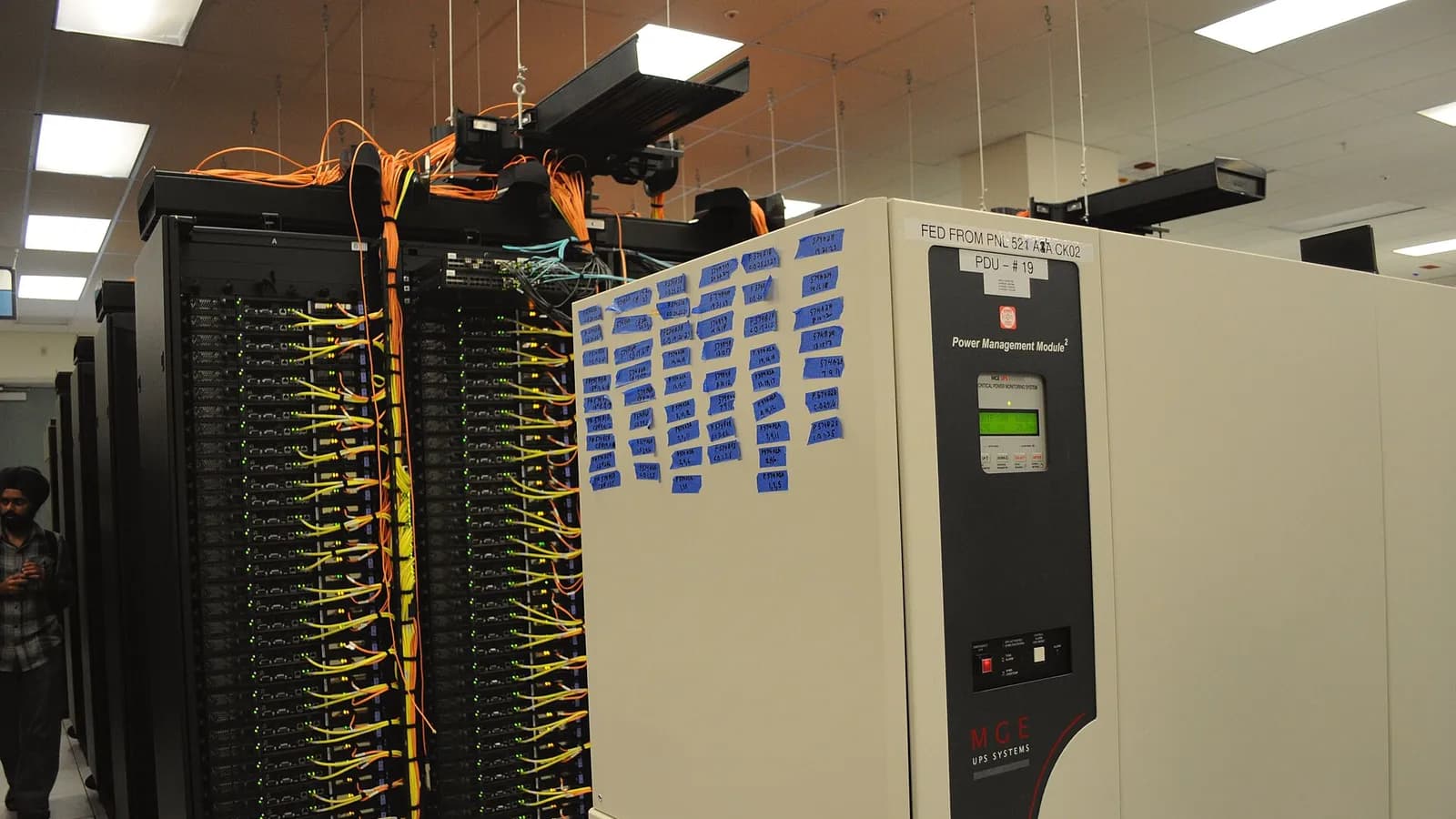
The data centers midterm issue broke into public view three days before the US midterms, at a panel discussion in a Brooklyn warehouse that was supposed to be about attention spans and campaign strategy. Instead, nearly every conversation turned to one topic: data centers. That shift, reported from a Newsreel election event in New York on October 31, 2026, is a signal worth taking seriously even if your company has never built a server room.
This issue is no longer confined to rural communities near planned facilities. It showed up at a media and policy event in one of the most urban boroughs in the country, among people who will likely never see a data center from their window. That tells you the politics around AI infrastructure have moved from a local zoning fight to a national conversation about who benefits from the AI buildout and who bears the cost.
How the data centers midterm issue surfaced in Brooklyn
At the event, a fireside chat with a New York City Council member set an early tone of skepticism toward tech accountability. A panel on data centers followed, covering zoning secrecy, environmental concerns and a sense that communities are losing control over decisions in their own backyards. One researcher put it bluntly: people value their lives more than a temporary check. That line pushed back on the argument that data centers bring economic benefits that outweigh the downsides.
A separate panel on the future of political parties kept circling back to the same subject. A labor-focused panelist noted that some unions support data center construction because of the jobs it creates. Others on the panel disagreed, pointing out that construction jobs are temporary. The same institutional forces that moved manufacturing jobs overseas, they argued, are now profiting from AI infrastructure without delivering lasting employment.
The scale of the pushback, by the numbers
The scale of the pushback is measurable. According to a Data Center Watch report cited at the event, almost $200 billion in data center projects were delayed, stalled or blocked in the first half of 2026 because of political and community opposition. States including Pennsylvania, Georgia, Texas, New York and Virginia are now considering stricter rules and more transparency requirements around new builds. Virginia, often called the data center capital of the world, reportedly has hundreds of new facilities in the pipeline, making it a bellwether for how this plays out.
Why this matters beyond politics
If you run or advise a business that depends on cloud infrastructure, AI tooling or hosted ERP systems, this is not just a Washington story.
- Capacity timelines can slip. A delayed or blocked data center affects the cloud regions and capacity providers were counting on. That can ripple into pricing and availability for enterprise customers.
- Costs can shift unpredictably. Electricity demand from AI data centers already factors into some regional utility rate discussions. That cost pressure tends to land on commercial customers eventually.
- Public sentiment is hardening. Protest signs and audience pushback at the event suggest companies leaning heavily on AI messaging in marketing should expect more scrutiny, not less.
- Regulatory attention is rising. More states drafting guardrails means more compliance questions for any company touching AI infrastructure procurement, even indirectly through a cloud vendor.
The event also captured something harder to quantify: the symbolic weight data centers now carry. One panelist described them as "the physical embodiment" of public anger at the pace of technological change and the concentration of wealth among a small group of AI companies. Even lighter moments reflected this mood. Attendees joked about Halloween nail polish referencing Anthropic's IPO, and Claude came up as a passing cultural reference rather than a technical one. The report also noted neighborhoods in Southern California posting handmade signs opposing data center construction, translated into multiple languages. That is evidence the backlash is organizing at a grassroots level.
Concrete steps for business leaders
None of this means a company should pause its AI or cloud roadmap. It does mean planning with more caution than a year ago.
- Diversify infrastructure dependencies. Avoid architecture that assumes a single cloud region or a single under-construction facility will be ready on schedule. Ask vendors for committed capacity and documented contingency plans.
- Separate AI ambition from AI messaging. Pursuing AI and machine learning development internally is reasonable. Publicly framing every product decision around AI may invite the same skepticism visible at the Brooklyn event.
- Watch state-level rules if you operate in the US. Companies with data operations or ERP hosting tied to US infrastructure should track guardrail legislation in states like Virginia and New York. New transparency or siting rules can affect provider timelines.
- Reassess your cloud and DevOps contracts. If your DevOps setup depends on growth capacity in a specific region, confirm with your provider whether that capacity is still on track given reported delays.
- Keep your own infrastructure footprint lean. For companies running ERP on Odoo, this is a good moment to review hosting choices. Make sure scope, cost and data residency decisions are documented rather than assumed.
A limitation worth naming
This story is one snapshot from one event, filtered through the people who attended it. It should not be read as a precise predictor of midterm results or long-term AI policy. Sentiment at a media gathering in Brooklyn is not the same as a national survey, and opposition concentrated in a handful of states does not mean every market will see the same backlash. Still, the direction of travel is consistent across multiple states: more scrutiny, more delayed projects, more political attention. That is worth building into infrastructure planning now, rather than after a project you depend on gets stalled.
If your team is weighing a hosted AI feature, a new cloud region, or an ERP migration that assumes smooth infrastructure growth, it is worth a short conversation before committing budget. We are happy to talk through your options and flag where your plans might be exposed to this kind of delay.